
Gout: Causes, Symptoms, and Treatment Options
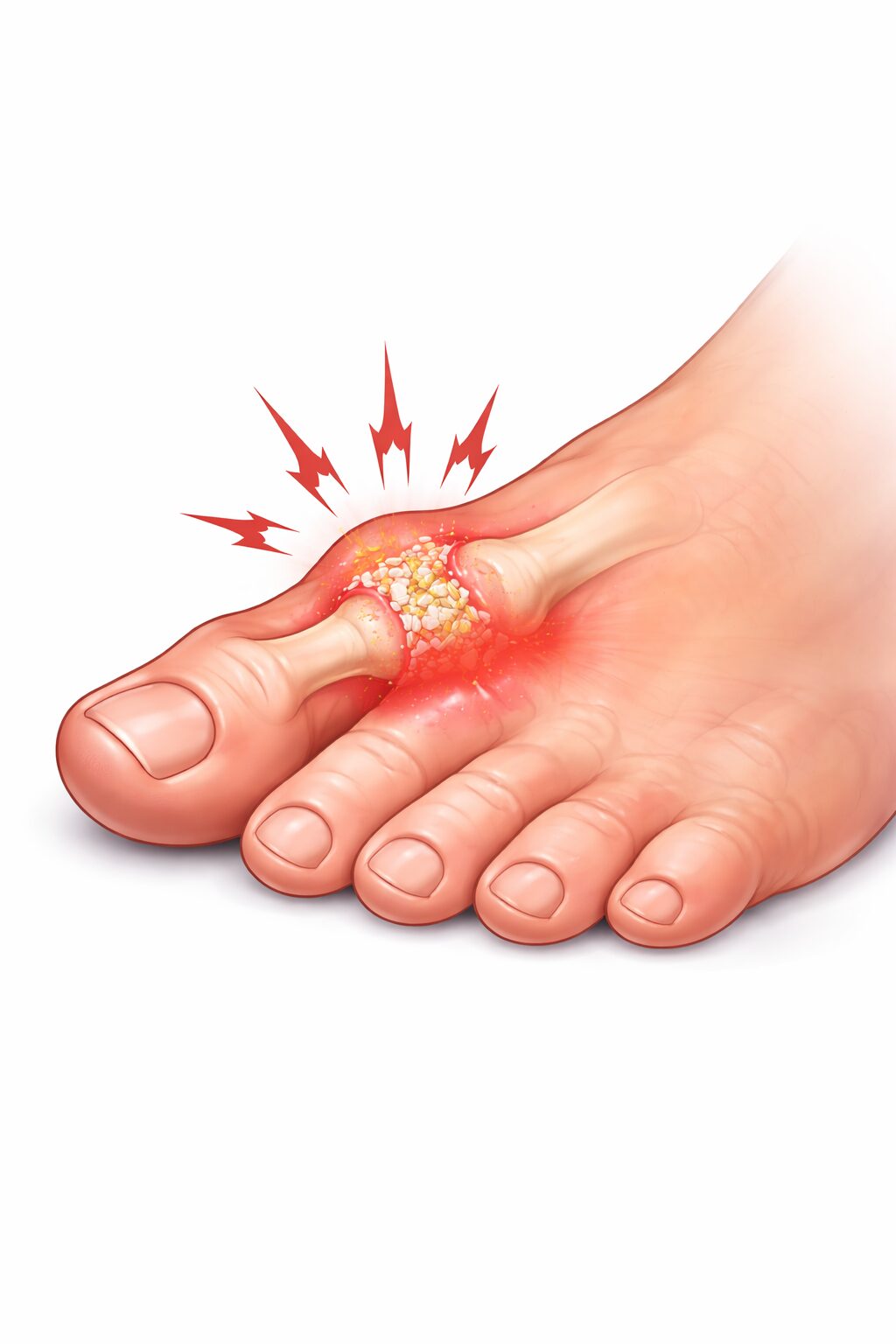
Gout is a painful form of arthritis that most commonly affects the foot—especially the big toe. It can appear suddenly, often overnight, causing intense pain, swelling, redness, and warmth in the affected joint. Without proper treatment, gout attacks can become more frequent and may lead to long-term joint damage.
What Is Gout?
Gout occurs when uric acid levels in the blood become too high. Uric acid is a natural waste product created when the body breaks down purines—substances found in certain foods and drinks.
When uric acid builds up, it can form sharp crystals in the joints, triggering inflammation and severe pain. The big toe joint is most commonly affected, but gout can also impact the ankle, heel, midfoot, and knee.
Common Symptoms of Gout
Gout symptoms often come on suddenly and may include:
-
Severe joint pain, especially in the big toe
-
Swelling and redness
-
Warmth and tenderness around the joint
-
Pain that is worst in the first 12–24 hours
-
Lingering discomfort that can last days or weeks
Some patients experience long periods without symptoms, while others develop recurrent gout attacks if the underlying cause is not treated.
What Causes Gout?
Several factors can increase your risk of developing gout, including:
-
High intake of purine-rich foods (red meat, shellfish)
-
Alcohol consumption, especially beer
-
Sugary drinks and foods high in fructose
-
Obesity
-
Dehydration
-
Certain medications (such as diuretics)
-
Family history of gout
-
Kidney disease or reduced kidney function
Men over 40 and postmenopausal women are at higher risk, but gout can affect adults of all ages.
How Gout Is Diagnosed
A podiatrist can often diagnose gout based on your symptoms and medical history. Diagnostic methods may include:
-
Physical examination of the affected joint
-
Blood tests to measure uric acid levels
-
Imaging studies (X-rays or ultrasound)
-
Joint fluid analysis (in some cases)
Early diagnosis is important to prevent joint damage and chronic gout.
Gout Treatment Options
Treatment focuses on relieving pain during an attack and preventing future flare-ups.
Acute Gout Treatment
During a gout flare, treatment may include:
-
Anti-inflammatory medications
-
Colchicine or corticosteroids
-
Rest and elevation of the foot
-
Ice therapy to reduce swelling
Long-Term Gout Management
To prevent future attacks, your podiatrist may recommend:
-
Medications to lower uric acid levels
-
Dietary changes to reduce purine intake
-
Increased hydration
-
Weight management
-
Custom orthotics to reduce joint stress
Managing gout often requires a combination of medical treatment and lifestyle changes.
When to See a Podiatrist for Gout
You should see a podiatrist if:
-
You experience sudden, severe foot or toe pain
-
Gout attacks are recurring
-
Pain interferes with walking or daily activities
-
You have diabetes or circulation issues
-
Symptoms are not improving with home treatment
Early intervention can help prevent permanent joint damage and reduce the risk of chronic gout.
Gout Treatment in Canton, MI
If you’re experiencing gout pain in your foot or ankle, Dr. Brandon Semma and the team at Canton Foot & Ankle are here to help. We provide expert diagnosis, personalized treatment plans, and ongoing care to help you stay active and pain-free.
Call today to schedule an appointment and visit our Canton, MI office for comprehensive podiatric care.