
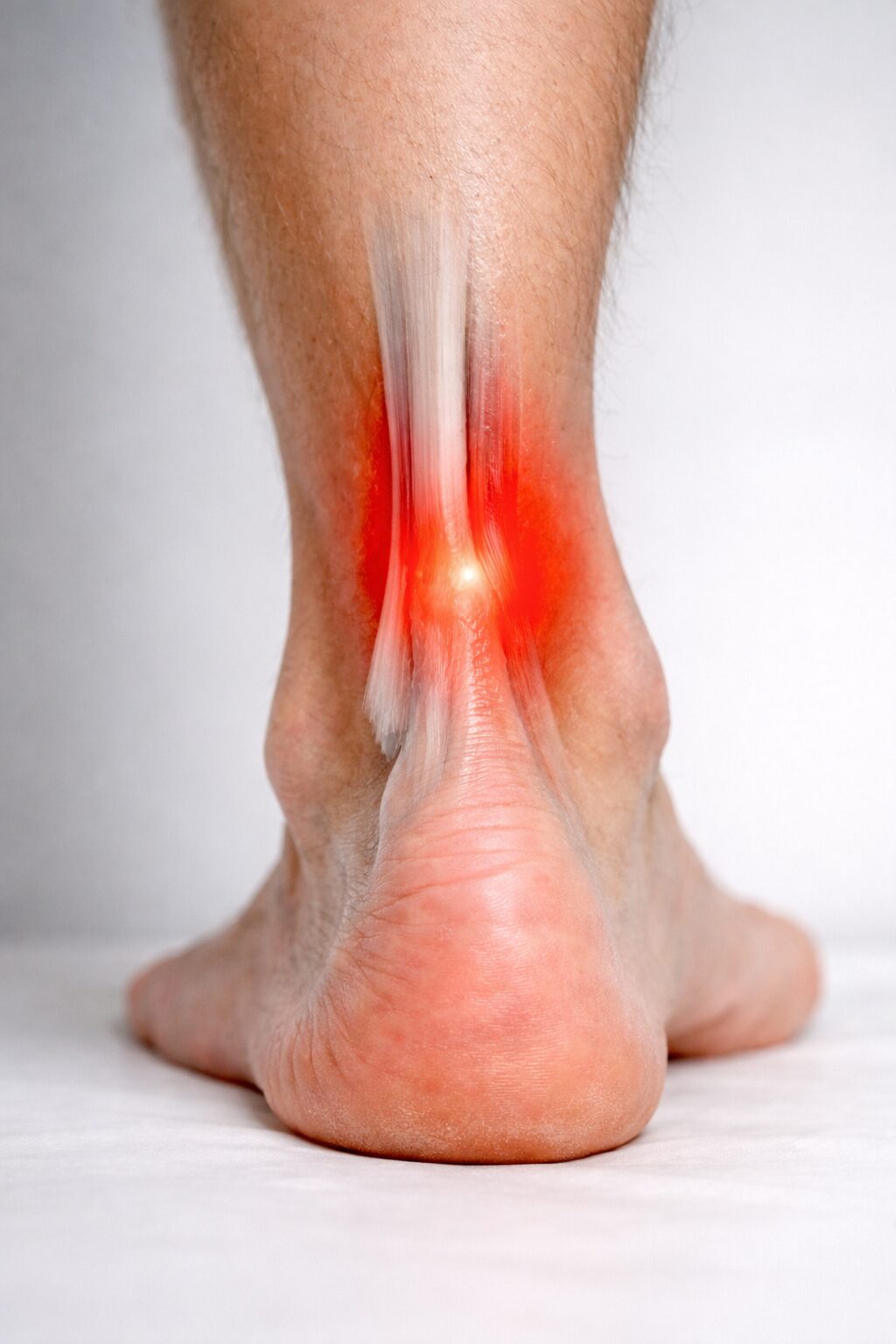
Achilles Tendon Issues: Causes, Symptoms, and Treatment Options
The Achilles tendon is the largest and strongest tendon in the body, connecting the calf muscles to the heel bone. When it becomes irritated or injured, it can cause significant pain and limit your ability to walk, exercise, or stand comfortably.
Achilles tendon issues are common in both active individuals and people who spend long hours on their feet. Early diagnosis and proper treatment can prevent chronic pain and more serious injury.
What Is the Achilles Tendon?
The Achilles tendon runs along the back of the ankle and heel. It plays a critical role in walking, running, climbing stairs, and pushing off the ground.
Because it absorbs a large amount of stress, the tendon is vulnerable to overuse, inflammation, and degeneration.
Common Achilles Tendon Problems
Achilles Tendinitis
Achilles tendinitis is inflammation of the tendon, often caused by repetitive stress or sudden increases in activity. It commonly affects runners, athletes, and people who increase physical activity too quickly.
Achilles Tendinosis
Unlike tendinitis, tendinosis involves degeneration of the tendon tissue rather than inflammation. It develops gradually and can lead to long-term weakness and stiffness.
Achilles Tendon Rupture
A rupture is a partial or complete tear of the tendon, usually caused by sudden force or trauma. This is a serious injury that requires immediate medical attention.
Symptoms of Achilles Tendon Issues
Symptoms can vary depending on the severity of the condition, but often include:
-
Pain or stiffness along the back of the heel or ankle
-
Pain that worsens with activity or first thing in the morning
-
Swelling or thickening of the tendon
-
Tenderness when touched
-
Limited ankle movement or weakness
-
A popping or snapping sensation (in the case of rupture)
Causes and Risk Factors
Several factors can contribute to Achilles tendon problems, including:
-
Overuse or repetitive stress
-
Sudden increase in exercise intensity
-
Tight calf muscles
-
Poor footwear or lack of support
-
Flat feet or abnormal foot mechanics
-
Obesity
-
Age-related tendon degeneration
How Achilles Tendon Issues Are Diagnosed
A podiatrist can often diagnose Achilles tendon problems through a physical exam and review of symptoms. Diagnostic tools may include:
-
Gait analysis
-
Range-of-motion testing
-
Ultrasound or MRI imaging
-
Evaluation of footwear and activity level
Early diagnosis is key to avoiding long-term damage.
Treatment Options for Achilles Tendon Issues
Conservative (Non-Surgical) Treatment
Most Achilles tendon issues respond well to non-surgical care, including:
-
Rest and activity modification
-
Stretching and strengthening exercises
-
Physical therapy
-
Ice therapy to reduce inflammation
-
Supportive footwear or heel lifts
-
Custom orthotics to improve foot alignment
-
Anti-inflammatory medications
Advanced Treatment Options
If conservative treatment is not effective, additional options may include:
-
Immobilization with a walking boot
-
Shockwave therapy
-
Platelet-rich plasma (PRP) injections
-
Surgical repair (for severe or ruptured tendons)
When to See a Podiatrist
You should seek professional care if you experience:
-
Persistent heel or ankle pain
-
Pain that worsens with activity
-
Swelling or thickening of the tendon
-
Difficulty walking or standing
-
Sudden pain with a popping sensation
Prompt treatment can reduce recovery time and prevent rupture.
Achilles Tendon Treatment in Canton, MI
If you’re experiencing pain or stiffness in your Achilles tendon, Dr. Brandon Semma and the team at Canton Foot & Ankle offer comprehensive evaluation and treatment options tailored to your needs.
📞 Schedule an appointment today
📍 Serving patients in Canton, MI and surrounding communities
Medical Disclaimer: The information provided in this article is for general educational purposes and is not a substitute for professional medical advice, diagnosis, or treatment. If you are experiencing foot or ankle symptoms, contact Dr. Semma at Canton Foot & Ankle Specialists to schedule an evaluation. If you believe you are experiencing a medical emergency, seek immediate medical care.