
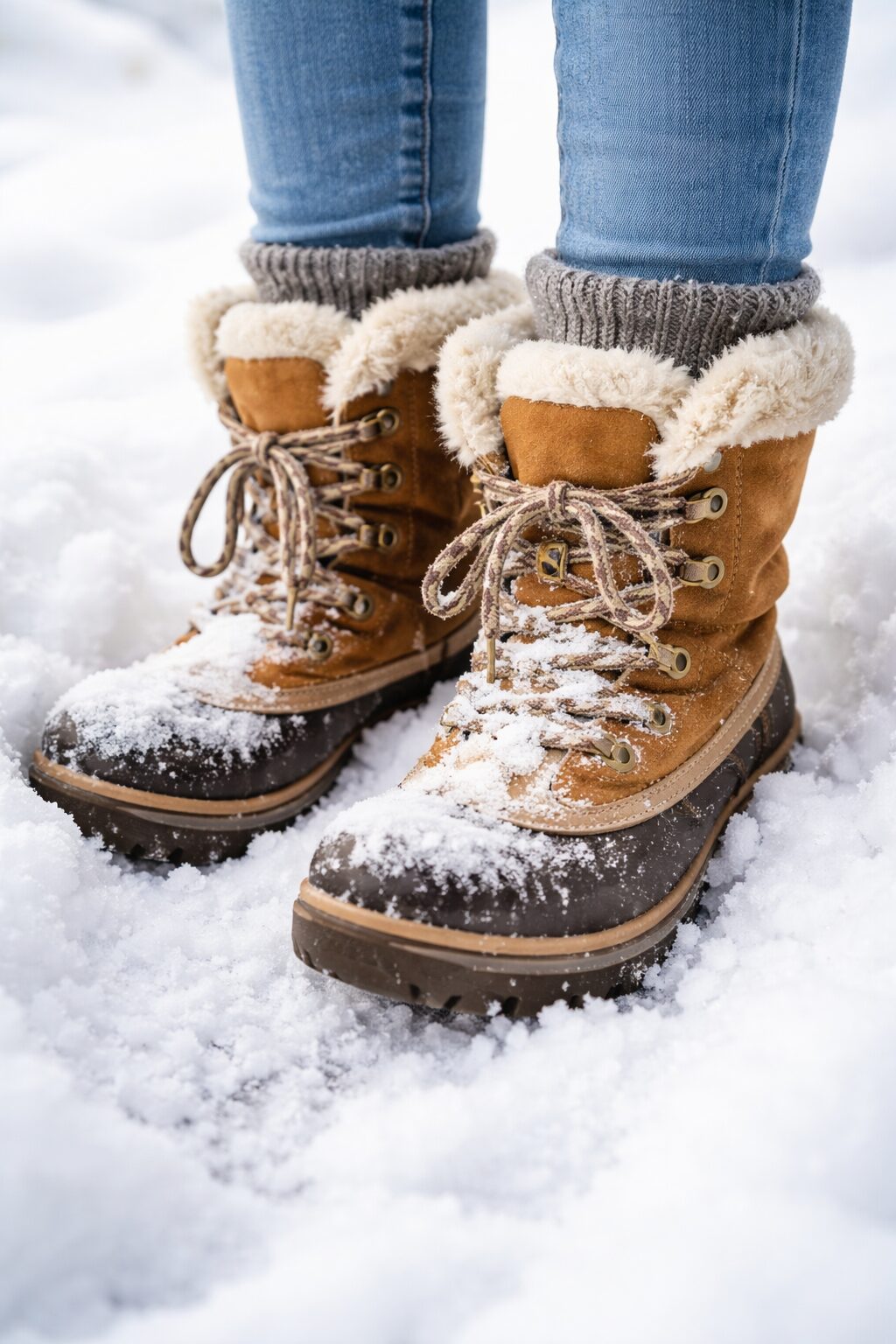
Staying Warm in Extreme Cold: Protecting Your Feet During Winter Weather
When temperatures drop into extreme cold, staying warm becomes more than a comfort issue—it’s a matter of health and safety. Cold weather can have a significant impact on your feet, increasing the risk of circulation problems, skin injury, and cold-related conditions.
Taking the right precautions can help keep your feet warm, protected, and healthy throughout the winter months.
Why Cold Weather Affects the Feet More
Feet are especially vulnerable to cold because they are farthest from the heart and rely on good circulation to stay warm. In cold temperatures, blood vessels narrow to conserve heat, which can reduce blood flow to the toes and feet.
This can lead to:
-
Cold, numb toes
-
Stiffness or discomfort
-
Dry, cracked skin
-
Increased risk of cold-related injury
For people with diabetes, circulation issues, or nerve damage, these risks are even greater.
Choosing the Right Footwear for Extreme Cold
Wearing proper footwear is one of the most important steps in keeping feet warm during winter.
Look for:
-
Insulated, waterproof boots
-
Thick soles that protect from cold ground
-
A snug but not tight fit to allow circulation
-
Slip-resistant soles for icy conditions
Avoid shoes or boots that compress the toes, as tight footwear can actually make feet colder by restricting blood flow.
The Importance of Socks and Layering
Socks play a critical role in foot warmth.
Best sock choices include:
-
Wool or thermal socks that retain heat even when damp
-
Moisture-wicking materials to keep feet dry
-
Avoiding cotton socks, which trap moisture and increase cold exposure
In extremely cold conditions, layering socks can help—but only if footwear still fits comfortably without squeezing the foot.
Keep Feet Dry to Stay Warm
Moisture makes cold exposure worse. Wet feet lose heat much faster than dry feet.
Tips to keep feet dry:
-
Change socks if they become damp
-
Choose waterproof footwear when outdoors
-
Allow shoes and boots to fully dry between uses
Dry feet stay warmer and are less prone to skin breakdown.
Protecting Feet From Cold-Related Conditions
Extreme cold can increase the risk of several foot-related conditions, including:
-
Frostnip and frostbite, which occur when skin and tissue freeze
-
Chilblains, causing redness, swelling, and itching
-
Cracked skin, which can lead to infection
Early signs of cold injury include numbness, tingling, pale skin, or unusual discoloration. These symptoms should never be ignored.
Extra Precautions for At-Risk Individuals
People with certain medical conditions should take extra care in cold weather, including those with:
-
Diabetes
-
Peripheral neuropathy
-
Circulation problems
-
Raynaud’s phenomenon
Because reduced sensation can make it harder to detect cold injury, regular foot checks and proper protection are especially important.
Warming Feet Safely
If your feet become cold:
-
Move indoors and warm them gradually
-
Avoid placing feet directly on hot surfaces
-
Use warm (not hot) socks or blankets
Rapid or excessive heat can damage skin, especially if sensation is reduced.
When to Seek Medical Care
You should seek medical evaluation if you notice:
-
Persistent numbness or tingling
-
Skin color changes that don’t improve
-
Pain, blistering, or open sores
-
Signs of infection
Early evaluation can help prevent complications and protect long-term foot health.
Staying Comfortable and Active All Winter
With the right footwear, socks, and daily habits, it’s possible to stay warm and protect your feet even in extreme cold. Paying attention to foot health during winter months helps maintain comfort, mobility, and overall well-being.
If you have concerns about circulation, nerve sensation, or cold-related foot issues, a foot and ankle specialist can help provide guidance and care.
Concerned about cold-related foot pain or circulation issues?
If you’re experiencing numbness, pain, or changes in your feet during extreme cold, our team can help. Schedule an appointment with Dr. Semma to have your foot health evaluated and get personalized guidance for staying safe and comfortable this winter.
Medical Disclaimer: The information provided in this article is for general educational purposes and is not a substitute for professional medical advice, diagnosis, or treatment. If you are experiencing foot or ankle symptoms, contact Dr. Semma at Canton Foot & Ankle Specialists to schedule an evaluation. If you believe you are experiencing a medical emergency, seek immediate medical care.