
BIOMECHANICAL ANOMALY
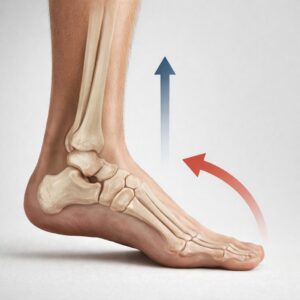
What Is a Biomechanical Anomaly?
A biomechanical anomaly can include:
-
Flat feet or high arches
-
Overpronation or supination (feet rolling inward or outward excessively)
-
Leg length discrepancies
-
Abnormal walking patterns or foot alignment
-
Joint hypermobility or stiffness
These conditions often go undetected for years and may lead to discomfort during walking, standing, or exercise—and eventually contribute to conditions like plantar fasciitis, shin splints, Achilles tendinitis, or knee and hip pain.
Symptoms You Might Notice
-
Persistent or recurring foot, ankle, or lower leg pain
-
Uneven shoe wear patterns
-
Fatigue or aching in the feet after normal activity
-
Poor balance or instability
-
Pain that worsens with prolonged standing or walking
If you’re treating foot pain without lasting relief, a biomechanical issue may be the underlying cause.
How We Diagnose and Treat
We take a whole-body approach to foot mechanics. Your care begins with a thorough physical exam and may include:
-
Gait analysis to assess how your foot moves through each step
-
Footwear evaluation to identify problem areas
-
Range of motion and strength testing
Treatment Options May Include:
-
Custom orthotics to realign and support the feet
-
Stretching and strengthening exercises for weak or overused muscles
-
Manual therapy or taping techniques for joint support
-
Footwear recommendations for your specific gait pattern
-
Activity modifications to prevent overuse injuries
In some cases, surgical options may be considered if structural deformities are severe or persistent.
Why It Matters
Biomechanical problems don’t just affect your feet—they can impact your posture, mobility, and overall quality of life. Addressing the root cause now can help prevent more serious problems later.
Discover what’s really causing your foot pain
Schedule a biomechanical assessment today and take the first step toward lasting relief.