
Why Going Barefoot Isn’t Always a Walk in the Park
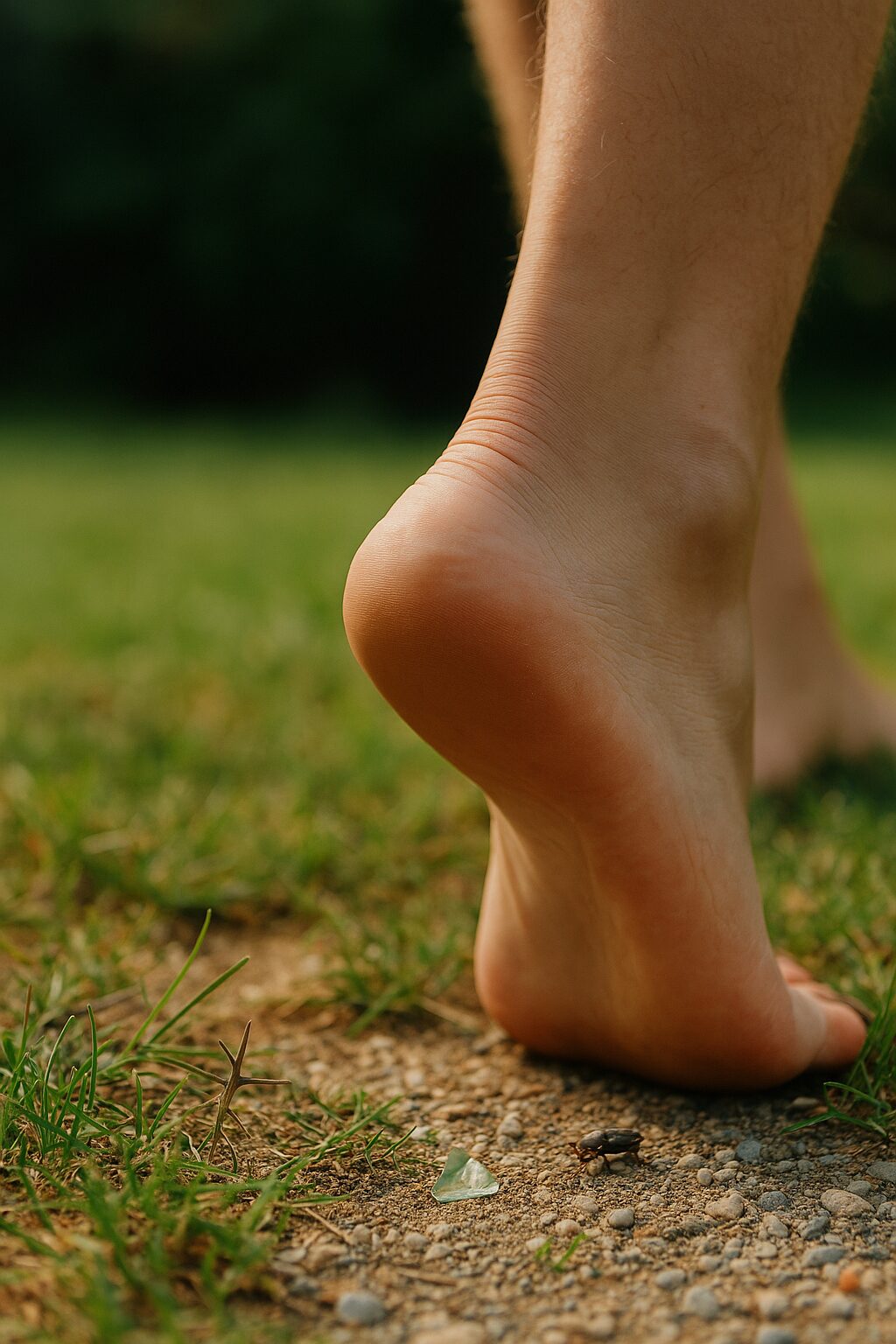
Barefoot walks on the grass or a quick stroll across the driveway might seem harmless—but they can actually put your feet at risk. As the weather warms up and outdoor activities increase, it’s important to know the potential dangers of walking barefoot and how to protect your feet all summer long.
The Allure—and the Risk—of Barefoot Living
There’s something nostalgic about being barefoot in summer. For many of us, it recalls childhood memories of carefree days in the backyard. But our feet are more vulnerable than we realize—especially as adults.
When you walk barefoot outside, your feet are exposed to a wide range of hazards that can cause minor injuries, infections, or even chronic foot conditions.
Common Risks of Walking Barefoot Outdoors
- Cuts, Scrapes, and Puncture Wounds
Even a seemingly clean surface like grass or sand can hide sharp objects such as glass shards, nails, or thorns. These injuries can be painful—and more serious if debris becomes embedded. - Infections
Open wounds or cracked skin increase your risk of infections, especially if you step into soil or puddles. People with diabetes or poor circulation are at particularly high risk for complications. - Plantar Warts
Warts caused by the human papillomavirus (HPV) can be contracted through tiny openings in the skin. They often appear on the soles of the feet after walking barefoot in communal areas like pools, locker rooms, or even the beach. - Fungal Conditions
Fungus thrives in warm, moist environments. Walking barefoot in damp areas (e.g., near sprinklers or pool decks) increases the risk of athlete’s foot, toenail fungus, and other infections. - Foot Pain and Strain
Supportive footwear is key for absorbing shock and distributing weight properly. Without shoes, your feet—and especially your arches—can suffer from overuse, leading to plantar fasciitis or stress fractures over time.
Barefoot Isn’t Always Better
There’s a time and place for barefoot movement, such as at home or on soft, clean indoor surfaces. But when you’re outdoors, especially in unfamiliar or uneven terrain, the risks often outweigh the benefits.
Wearing shoes doesn’t just protect your feet from injury—it also promotes long-term health by supporting your body’s alignment and reducing strain on muscles and joints.
Smart Summer Foot Protection Tips
-
Wear supportive footwear on any hard, rocky, or public surface
-
Wash your feet daily, especially after being outside
-
Moisturize to prevent cracks that can let in bacteria
-
Check your feet regularly for cuts, bumps, or discoloration
-
Avoid shared barefoot spaces like gyms or public showers
-
Schedule a visit if you notice pain, warts, infections, or slow-healing wounds
Worried About a Foot Injury or Infection?
If you’ve been going barefoot and now notice pain, skin changes, or swelling, it’s best to have it checked. Early treatment can prevent more serious issues down the road.
At Canton Foot & Ankle Specialists, we’re here to help you keep your feet healthy, strong, and summer-ready. Whether it’s a minor cut or a persistent foot condition, our expert podiatrist can guide you toward recovery.